
The Fuad 128 System: A New Mechanism for Reporting Administrative Corruption
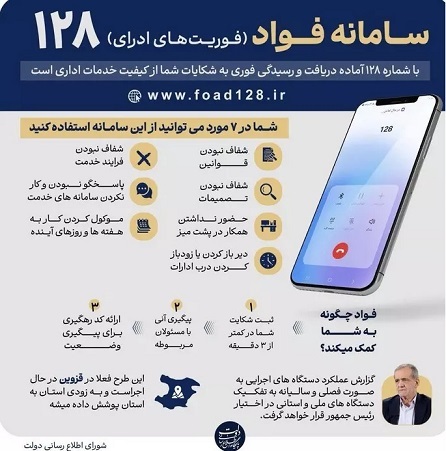
The Secretariat of the Anti-Corruption Coordination Headquarters has launched the Fuad 128 system to streamline the reporting, investigation, and resolution of administrative complaints.
The Secretariat of the Anti-Corruption Coordination Headquarters serves as the supporting body for the Fuad 128 system, responsible for receiving, reviewing, and referring reports to the relevant authorities. Access to the Fuad 128 system is available via USSD code, SMS, landline telephone, and a dedicated website, with ease of use and diverse communication methods cited as primary advantages. The system operates during working days from 07:00 to 17:00, aligning with the operational hours of executive agencies to receive public calls and address grievances.
Key benefits of the Fuad 128 system include the ability to register complaints immediately and refer them to the relevant executive unit without the need for in-person visits. The system ensures rapid and accurate identity verification via the Shahkar platform, issues SMS tracking codes, and allows Fuad to follow up on complaints until a final response is provided. It evaluates complaints based on criteria such as the treatment of clients, staff attendance, and administrative transparency. The system aims to reduce complaint processing times from several weeks to a maximum of five hours and generates heat maps to identify high-complaint areas across the country in real time. Furthermore, it facilitates public participation in improving institutional performance, enables accurate assessment of executive agency efficiency, and creates management performance records for submission to the Cabinet and the President. Public reports are accepted as legal evidence without the need for additional documentation, and agencies are notified immediately following a complaint review, with performance scores updated in the manager's profile. Reports are verified through call frequency analysis and both overt and covert inspections, with approximately 70 inspections conducted over the past two months.
Regarding organizational hierarchy, the Fuad system operates directly under the highest authority of the respective agency, with the Ministry of Science, Research and Technology serving as the senior lead and the Organization of Student Affairs acting as the intermediate lead. The system prioritises the urgent resolution of administrative issues, with an average processing time of three hours.
The primary subjects of complaints received by Fuad 128 include: a lack of transparency regarding laws and regulations; unclear administrative processes; service counters opening late or closing early; the unjustified postponement of tasks to future days or weeks; issues concerning the respectful treatment of clients; the absence of staff at service desks without designated replacements; and technical faults in administrative systems and equipment. These criteria have been communicated to executive agencies and serve as the basis for their performance evaluations.
The operational process of the Fuad 128 system begins when a citizen calls the 128 number, followed by identity verification via the Shahkar system. The complaint is then matched against the seven aforementioned categories, and a tracking code is sent to the citizen via SMS. The issue is transmitted to the relevant agency's system using the tracking code. The primary agency is required to coordinate with provincial offices to pursue the matter, and the results must be communicated to the citizen with urgency. Finally, the Fuad system contacts the applicant to gauge their satisfaction with the resolution, and the matter is recorded in the evaluation dashboard of the relevant organisation and manager.