
Over 1.5 million pilgrims assisted by Hajj and Pilgrimage staff; 3,000 lost items returned
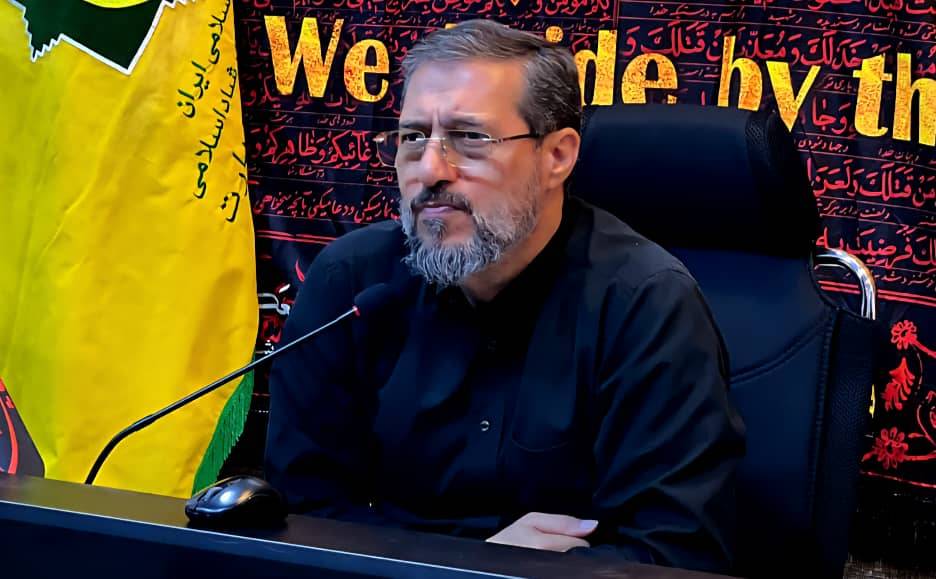
Hajj and Pilgrimage Organisation officials provided over 1.5 million instances of guidance to pilgrims and reunited 3,470 lost individuals with their companions during the Arbaeen period.
According to the Hajj and Pilgrimage Organisation, Alireza Bayat stated that one of the organisation's primary duties during the Arbaeen period is providing guidance to pilgrims and assisting those who have become lost. This year, more than 1.5 million instances of guidance were provided by 1,250 honorary staff members, with 1,100 operating within Iraq—covering Karbala, Najaf, the pilgrimage route, Kadhimiya, and Samarra—and 150 stationed at border terminals.
Bayat noted that the most frequent requests for assistance concerned locating mawkibs (pilgrim rest stations), medical services, emergency aid, and transit information. He added that all staff members in the guidance unit utilised the 'Hamyar Arbaeen' application on their mobile phones to facilitate these requests. He suggested that if all pilgrims had installed the application, the volume of direct enquiries made to staff would have been significantly reduced.
Regarding missing persons, the head of the Hajj and Pilgrimage Organisation explained that staff successfully reunited 3,470 individuals who had become lost or separated from their companions, helping to alleviate the concerns of the pilgrims.
Addressing the status of lost property, Bayat stated that some items have been registered in the system but remain unclaimed. He confirmed that if owners do not come forward in the coming days, these items will be delivered to them through an agreement established with the National Post Company.
He further noted that in recent days, 3,000 recovered items—including mobile phones, backpacks, and cash—have been returned to their owners. He observed that this figure represents a decrease compared to previous years, which he attributed to improved communication and the increased diligence of pilgrims in using QR codes and attaching personal identification information to their belongings.